 >
>
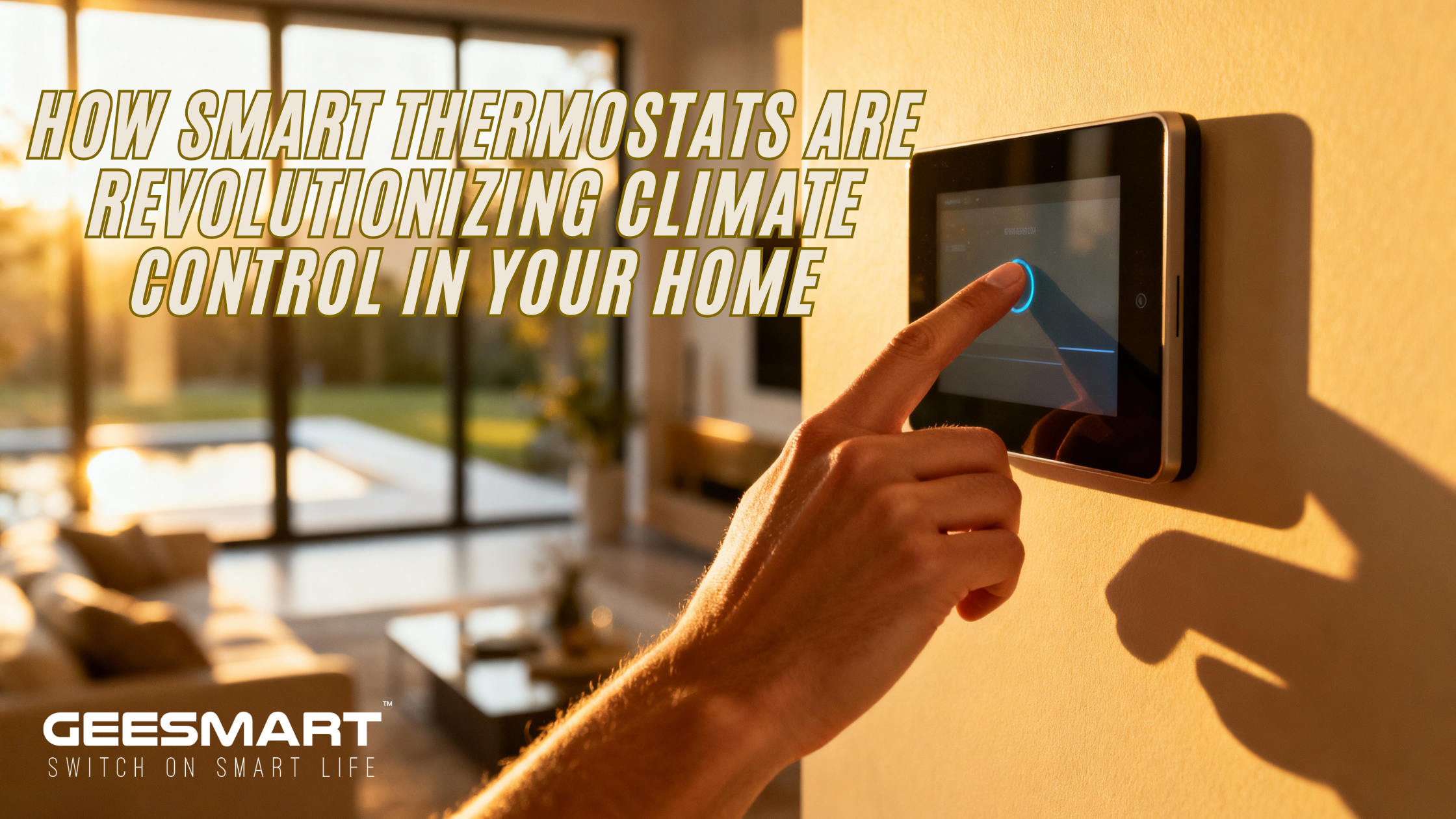
How Smart Thermostats Are Revolutionizing Climate Control in Your Home
At a time when energy costs continue to escalate and environmental consciousness increases, homeowners are rampantly seeking ways to lessen their energy consumption without sacrificing comfort. With its ability to operate on low power consumption, the advent of smart devices have found a solution to this growing concern. This remarkable technology brings together multiple devices into one integrated system and functions appropriately.
A smart thermostat is such an innovative device that provides effortless climate control along with cost savings and other major benefits. Unlike traditional ones that require manual adjustment, these new-age thermostats can perform far more functions that they cannot catch up with. Fast forward to 2026, smart thermostats for homes are revolutionizing climate control in ways which were once unimaginable. In this article, we will discuss the major benefits and other striking features of thermostats in today’s connected homes.
Understanding Smart Thermostat Technology
Smart thermostats mark a real progress beyond traditional analog and early digital models. Rather than merely switching heating or cooling systems on and off at a fixed temperature, these intelligent devices rely on advanced sensors, connectivity and artificial intelligence to manage and refine climate control throughout every home. Besides they can comprehend the homeowners needs, temperature fluctuations and make swift adjustments accordingly.
These devices connect to Wi-Fi networks, allowing residents to access weather data, learn from your behavior patterns, and even receive software updates that strengthen their functionality over time. And with the integration of machine learning algorithms, these digital thermostats are capable of making intelligent decisions about when to heat or cool your home for maximum efficiency.
Benefits of Smart Thermostat
1) Enhanced Efficiency
One of the most significant benefits of smart thermostats is their ability to save energy. These devices are capable of learning the schedule and preferences of its users, thus automatically adjusting the temperature to ascertain their homes are comfortable when they are present and saving energy when they are not. This advanced scheduling feature leads to reduced energy consumption and cost cuttings in the long run.
2) Remote Management
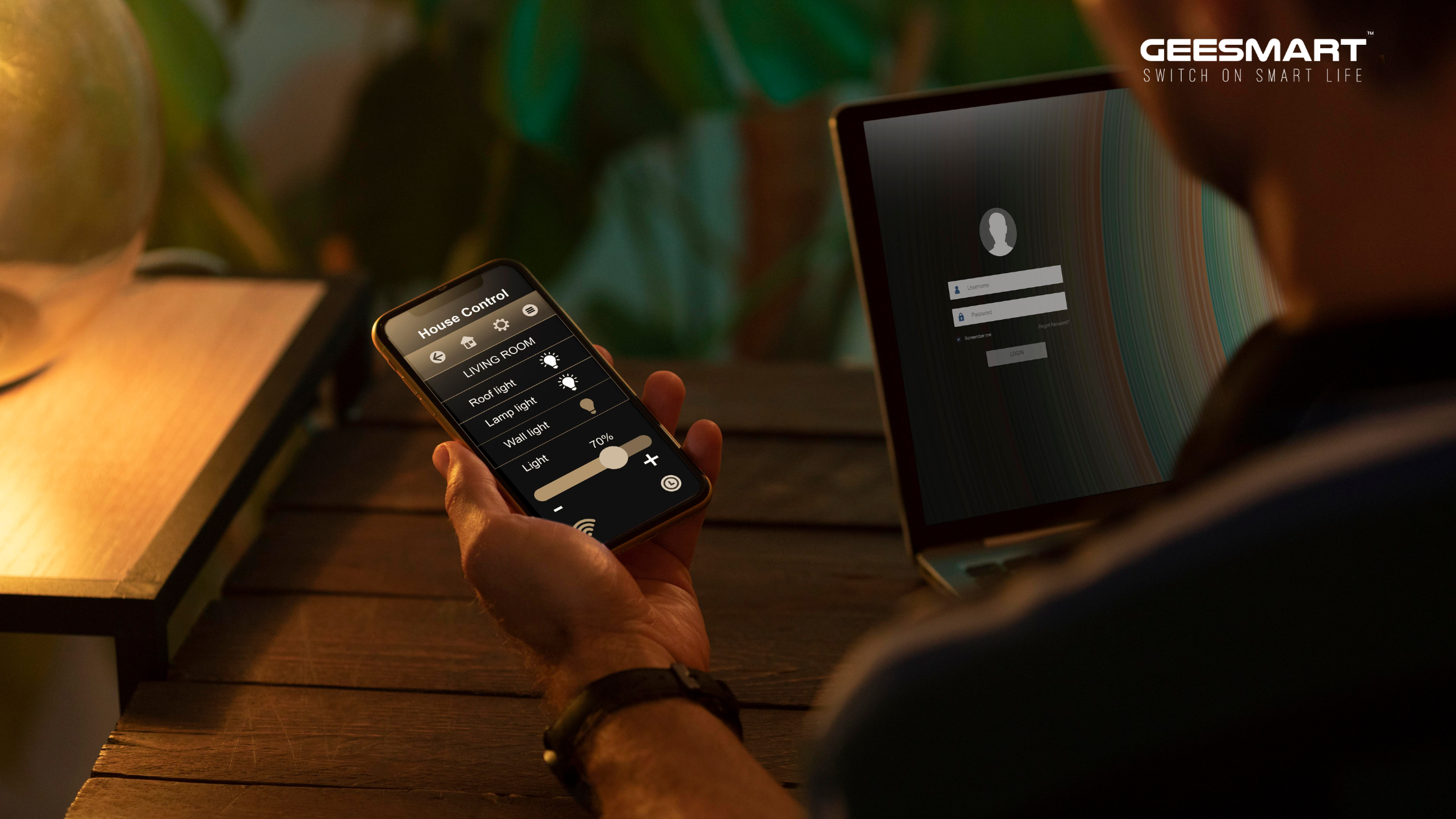
Smart thermostats can be controlled remotely after establishing connection with smartphones or tablets. This allows users to set temperatures in their convenience no matter the time or wherever they are. A simple tap on your smartphone gives you control over your home’s temperature control.
3) Real-Time Data and Insights
Unlike the older versions, today’s programmable thermostats are capable of generating real time data and insights. This gives users the advantage to monitor and manage their home’s energy consumption more wisely. As a matter of fact, it will help you identify opportunities for additional savings and cost cutting.
4) Integration with Smart Home Ecosystems
Numerous smart thermostats are engineered to work effortlessly with various smart home devices, offering a cohesive method for home automation. With voice commands via platforms such as Amazon Alexa or Google Assistant and compatibility with smart lighting and security systems, smart thermostats play a fundamental role in today’s smart home.
User Convenience and Long-Term Sustainability
1) Easy Installation and User-Friendly Design
Traditional climate-control systems often come with bulky components and heavy materials that make the installation process arduous. Be it a thermostat for home or that for commercial purpose, the manual effort behind it is quite hectic. A smart thermostat has a clear advantage over the conventional one at this point since installing it is quite simple. Furthermore, it is easy to keep track of the settings and control energy consumption through a user friendly interface.
Once the system is in place, the user experience becomes even more convenient. With touch screens, voice commands and mobile dashboards that are neatly arranged, users can change temperature settings, create schedules, and see the performance without having any technical knowledge. Most systems even deliver helpful notifications, maintenance reminders, and energy saving tips, thus making climate control more proactive. The programmable thermostats are worth the buy as they create an immersive experience to the entire automated environment.
2) Long-Term Sustainability and Environmental Impact
Sustainability is a key aspect that gives smart devices an edge over traditional systems and a digital thermostat is no exception. These devices help households lower their overall energy demand by optimizing heating and cooling cycles, minimizing unnecessary energy consumption and promoting efficient consumption patterns. The decrease in energy usage thereby directly aids the worldwide initiatives to reduce carbon emissions and encourage environmentally friendly energy usage. Modern thermostats for homes also provide reports regarding its energy usage for users to understand their consumption habits and make better decisions in the future that lower its impact on the environment.
Conclusion
Smart thermostats are an invaluable addition to any modern home. Unlike the traditional ones, these programmable thermostats can do more than simply altering temperature such as learning user preferences, scheduling and other advanced functions. Also, the energy saving benefits that come with digital thermostats is worth mentioning. When the energy consumption is low, the cost is automatically reduced which is highly helpful to the users. They also promote an eco-friendly approach by lowering energy consumption, thus contributing to environmental sustainability. For all these reasons, smart thermostats for homes are revolutionizing the way modern homes reduce energy waste while enhancing everyday comfort.