>
Build the Smart Home of Your Dreams with Geesmart Devices

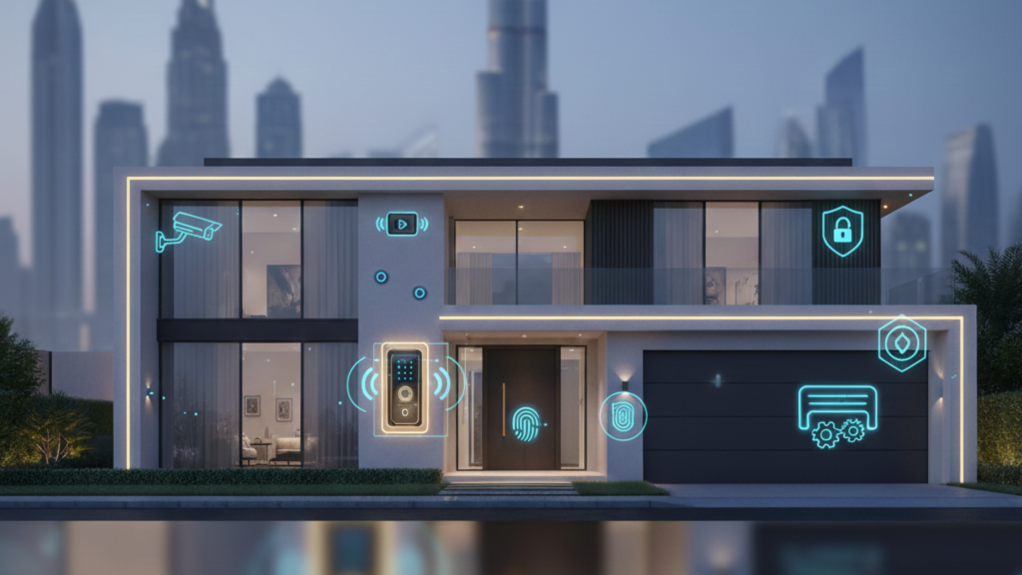
Imagine walking into your living room and seeing the lights turn on automatically, your favourite music playing in the background and the temperature getting adjusted just the way you wished. No remote controllers, no multiple apps to control each device, everything simply working on its own. Won’t that be nice? Well guess what. Those days aren’t far. With smart automation advancing rapidly, you can now build a fully connected home where every device responds to your command. 

Geesmart is a leading home automation company in the UAE, committed to making everyday living effortless by providing top-notch smart home automation solutions for those who wish to experience luxury in a new form. In this blog, we will discuss smart devices, their benefits and a brief guide to incorporate home automation into your homes.

Why Smart Homes Matter Today

Essential Devices for the Ultimate Smart Home

Now that we have understood the impact of smart home technology Dubai, we will look at some of the common and interactive smart devices that are used to make homes smarter. 

1) Smart Lighting Solutions

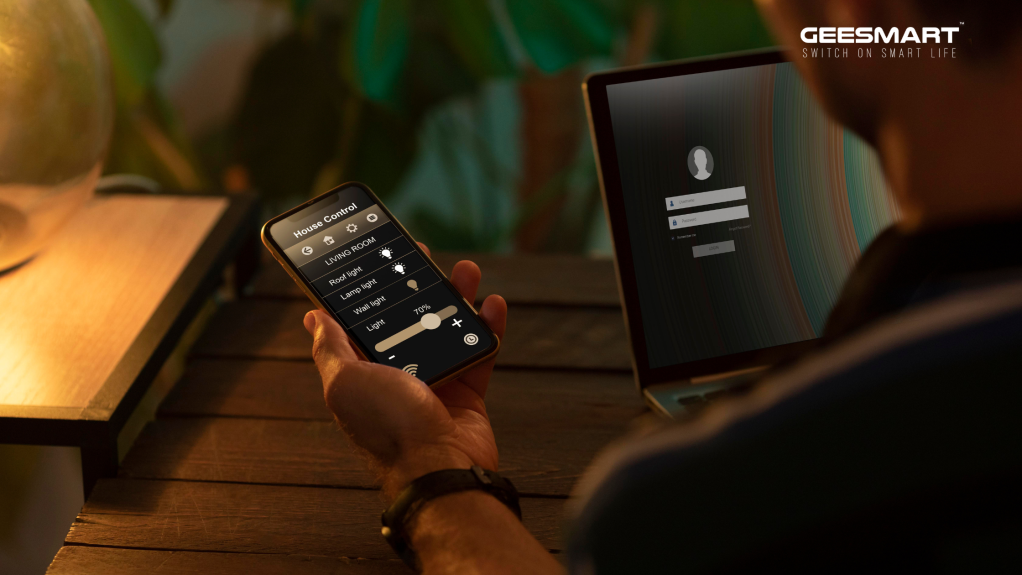
Smart lighting solutions are built on advanced lighting technology that provides convenient, customizable and energy-efficient lighting experiences for those who wish to adjust illumination as per their wish. They comprise smart LED bulbs, smart switches/dimmers, flexible LED strips and modular light panels that are capable of providing soft and warm lighting, changing colour and creating effects that sets the mood of the spaces where they are installed. 

2) Smart Security & Surveillance

Home automation security is a system where devices such as cameras, sensors, locks and alarms are seamlessly integrated into a unified smart home network. It can be monitored around the clock from smartphones and voice-enabled devices like Alexa. Residents get live feeds and instant alerts, allowing them to live a stress free life.

3) Smart Curtains & Blinds

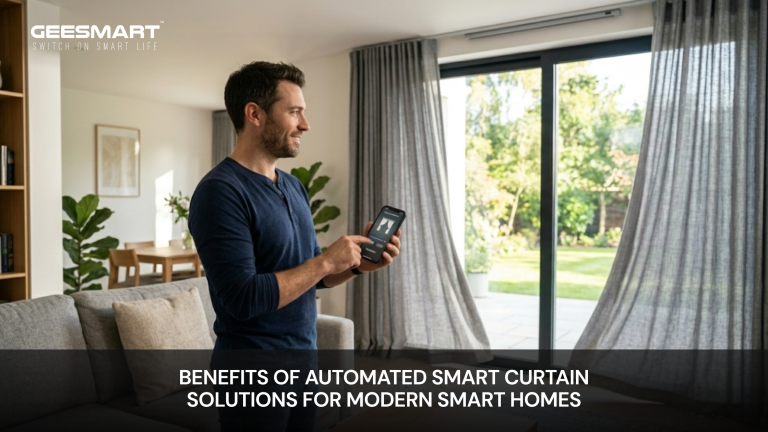
Automated curtains consist of motorized systems that can be controlled via smartphone or voice commands. They enable curtains to open and close automatically, based on the sensors or personal preferences, making the movement of curtains effortless and controllable. 

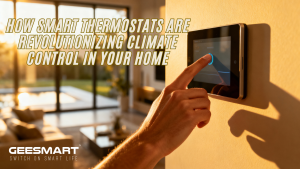
4) Smart Thermostats & Climate Control

Building a Connected Home Ecosystem

A smart home isn’t merely a space where multiple devices are connected. It’s an ecosystem where every device communicates, responds and works together. Building such homes involves proper planning and careful execution of every smart home automation device. 

Final Thoughts

As ordinary homes are transforming into fully functional responsive environments, smart technologies are becoming an essential part of everyday living. Smart home technology in Dubai has rapidly evolved and is now shaping a new era of comfort and convenience. From smart lighting that adjusts illumination according to your mood, to a smart thermostat that learns your habits and automatically regulates the climate, every smart home automation device is a testament of effortless living which was once a distant, elusive dream. Geesmart is one among the leading home automation companies in UAE that has transformed numerous houses into intelligent homes that connect, listen and act as per the commands of the inhabitants. Get in touch with us to experience the future of connected living. 

Latest Blogs
How Can Smart Home Help Save Energy
Energy saving has become a top priority of homeowners across the globe  by increasingly exploring methods to make their homes more energy efficient in response to higher electricity tariffs. Besides getting utility bills that are too high to manage, people are becoming more environmentally conscious while continuing to maintain comfort at home. A good example of how smart technologies can make life easier for us and simultaneously help protect the planet is smart AC control. By incorporating smart AC control, a household can stay comfortable all day long without wasting energy and In fact, small measures such as programming lights or adjusting cooling schedules can significantly help lower energy consumption and hence utility bills in the long run. Smart home technology is revolutionizing energy management by introducing compatibility, control, and quantifiable savings through different types of automation such as occupancy based lighting and smart climate control, and hence homeowners are able to reduce their energy consumption to the minimum without even realizing it. In Dubai and generally across the UAE,  the summers are long and blistering and dwellers are not only subscribing to convenience and comfort  but also making a smart choice in view of energy efficiency and sustainability and, thus deciding to go for smart energy solutions. Smart Lighting & Switches: Energy Efficiency at Your Fingertips Lighting is one of the biggest contributors to the total energy consumption in homes even though it is normally forgotten. Some homes waste an enormous amount of electricity when they keep the lights on in empty rooms or they use high  power-consuming bulbs. Smart lighting and switches are a great help in solving this problem and, in addition, they ensure more convenience and efficiency. Automated Control Motion sensors and pre-set schedules allow lights to turn on only when rooms are occupied. Hallways, bathrooms, or storage spaces illuminate as needed and switch off automatically when unoccupied, reducing wasted energy. For families, this can also mean fewer forgotten lights and less stress over energy bills. Dimming and Scheduling Smart lighting systems often include dimming features, which reduce brightness when full illumination isn’t necessary. Scheduling lights according to your daily routine ensures energy is consumed only when required. For example, living room lights can dim gradually in the evening, creating a comfortable ambiance while saving electricity. Remote Management and Integration Smart lighting can be controlled remotely via smartphone apps, allowing homeowners to turn off lights accidentally left on or adjust brightness while away. These systems can also integrate with other devices like motion sensors or smart thermostats, so lighting adjusts automatically depending on occupancy or time of day, maximizing energy efficiency. Smart AC Control: Comfort Meets Energy Savings An old AC unit that may be running 24/7, even in unoccupied rooms, ends up wasting energy and thus air conditioning accounting for the largest portion of electricity bills.Smart AC control systems invent a resourceful method to cut off the power during the absence of people, but without compromising comfort. Precision Temperature Management Smart AC systems automatically adjust cooling or heating based on occupancy, time of day, and ambient temperature. This ensures that rooms remain comfortable when needed, but energy isn’t wasted in unused spaces. For instance, the system can cool the living area during the evening while keeping unused bedrooms slightly warmer. Energy Insights and Monitoring Many smart AC units provide detailed insights into energy consumption. Homeowners can analyze patterns, identify waste, and make informed adjustments—such as lowering AC output during peak electricity hours. Over time, this data-driven approach can significantly reduce electricity bills while maintaining comfort. Smart Integration Smart AC units often integrate with thermostats, lighting, and even window blinds. For example, when blinds close automatically during the hottest part of the day, the AC works less, saving energy while maintaining the desired indoor temperature. Smart Thermostats: Intelligent Climate Control A smart thermostat really should be a must buy on your shopping list if you are planning to make your home a green energy abode in the near future and the significance is that by learning your regular household schedule, they adjust temperatures on their own and help you save energy by giving you some useful reports. Installing a smart thermostat Dubai will allow you to have an air conditioning system that is able to create a daily temperature calendar and change the schedule accordingly to deliver the perfect temperature with less energy wasted. Likewise, in other parts of the UAE, a smart thermostat is a great helper to the whole family to be energy conscious even when the outside temperature is very hot during summer. Scheduling and Automation With a smart thermostat, a homeowner can schedule several temperature variations throughout the day according to their routine. When most rooms are not in use, the temperature can be turned down to save energy, and raised at the time when the family is expected to come home so that it becomes comfortable for the members.  Remote Control By means of apps, homeowners can make changes to the thermostat settings from anywhere in the world. The owners might have left the house vacant when they have gone on holiday or to work, nevertheless, they will always be able to check if their house is at a comfortable temperature, and at the same time, they can make sure that there is no energy wastage. Integration with Other Smart Devices A smart thermostat can be a star performer when it is one of the many smart devices in the house, all of which are working towards energy efficiency. This way, paired with smart lighting, automated blinds, and motion sensors, it can use energy wisely. For example, by closing blinds during peak sunny hours, one gets less heat inside so that the air conditioner would have to run less at times thus saving energy in a natural way.  Additional Benefits of Smart Home Energy Management Implementing smart devices goes beyond simple energy savings. Some key advantages include: Lower electricity bills – Automated control ensures energy is used only when necessary. Environmental benefits – Efficient energy management reduces carbon emissions and supports a sustainable lifestyle. Enhanced comfort – Homes maintain ideal temperature and lighting automatically, improving overall quality of living. Remote access and monitoring – Control devices from anywhere and receive reports on energy usage. Long-term value – Energy-efficient systems extend device lifespan and reduce long-term costs. Moreover, smart homes can increase the value of a property. Energy-efficient homes appeal to buyers and tenants who prioritize sustainability and modern conveniences. Choosing the Right Devices in the UAE Selecting the right smart home devices involves considering several factors: Compatibility – Ensure devices work with your home network and integrate seamlessly with other smart systems. Ease of use – Look for intuitive apps and interfaces that simplify daily management. Energy monitoring capabilities – Devices that provide consumption reports help identify opportunities for efficiency improvements. Local support – Brands available in Dubai and the UAE offer smooth installation and timely maintenance. Many homeowners in the UAE use smart thermostats suited for local conditions alongside smart lighting solutions. When combined, these devices help create homes that are energy-efficient, comfortable, and sustainable year-round. Practical Tips for Maximum Energy Savings Automate devices – Use schedules and motion sensors to optimize lighting and climate control. Monitor usage – Check reports from your smart thermostat or AC system to adjust settings efficiently. Integrate systems – Coordinating lighting, blinds, and climate control improves overall efficiency. Upgrade gradually – Start with key devices, like a smart thermostat or essential smart lights, and expand over time. Refine routines – Adjust daily habits based on insights from your devices for even greater savings. Conclusion Smart home technology has transformed our home’s energy management completely by making energy utilization more simple, efficient, and comfortable. When smart lighting & switches are employed, a homeowner can become more energy conscious that they make sure lights are operating only when it’s needed, regulate the light intensity automatically, switch off the lights in the rooms that are not being used, and even dim the lights for different times of day or activities. Hence, besides less energy being wasted, a more comfortable and personalized living atmosphere is set up. Meanwhile, smart AC systems  and smart home thermostats are more rational in optimizing climate control. Such appliances are learning about the household schedule, automatically changing the temperature settings, and can be controlled from anywhere, thus, your home will be at a comfortable temperature setting all the time and there will be no wastage of energy. Also, they are capable of working with other smart devices, like automated blinds or occupancy sensors, to elevate the efficiency even more and lower the electricity costs. Cumulatively, these smart home products are essential for creating an energy conscious and integrated ecosystem in your home by efficiently incorporating lighting, cooling, and heating components so as to be less inefficient, more comfortable, and give homeowners total energy control. In  Dubai and the rest of the UAE, energy management and climate control are  significant factors in energy conservation, and if you are someone who is aware of proper energy usage, you will find it very beneficial applying these solutions as a way to save on your electricity bills and thus remain environmentally responsible.
January 15, 2026
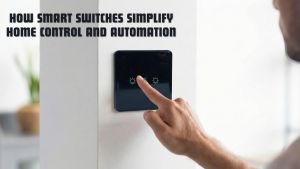
How Smart Switches Simplify Home Control and Automation
Gone are the days where humans had to walk towards the switch board and manually turn the devices on or off. In today’s tech integrated lifestyle, you can simply sit back and relax while the smart switches will perform its duties with just a tap of your finger. Besides these switches let you control lights, fans and other appliances from anywhere using a smartphone app, simplifying daily routines and making your home as smart as you.  Modern homes in the UAE are increasingly exploring the possibilities of home automation and rampantly embracing smart living solutions to live a more convenient and connected life. In this blog, we will explore how a smart switches home system sits at the center of this transformation and the various ways it can be utilized. What Are Smart Switches? A smart switch is a device that replaces your standard light switch, allowing you to control the lighting or any other electrical devices through a smartphone app, voice assistant or scheduled automation. They also pair well with smart voice control systems such as Google Assistant and Amazon Alexa. Contrary to smart plugs which are directly inserted into power outlets, smart switches control the hardwired devices in your home, such as lights, ceiling fans and any other wired appliances. Additionally, the smart switches offer comfort, flexibility and energy savings, while also allowing you remote control of your home. Different Ways Smart Switches Simplify Home Control Smart switches come with a handful of benefits that turn conventional systems into intelligent, connected solutions. Here are some of the key aspects that give your home a truly connected feel. 1) Access and Control from Anywhere Smart switches allow homeowners to manage their home with ease by controlling them in remote mode. These switches can be effortlessly connected to smartphones of users and with the help of an application they provide control over the smart wall switch. It is a feature that lets users schedule, automate, and monitor devices, making everyday routines seamless and efficient.  2) Voice Activation Smart switches work perfectly with well known voice assistants like Amazon Alexa, Google Assistant, and Apple HomeKit. Hence, to control the device, you don't need to physically touch it but you can give a voice command such as, "Alexa, turn on the living room lights, " which is a great way to wrap up when your hands are full or if you are in another room. For instance, a smart light switch can automatically adjust the brightness of the lights depending on the needs of the activity involved in the space. 3) Integrated Connectivity Smart switches are meant to be integrated with a larger smart wall switch system, where they can connect with other components such as motion sensors, security cameras and thermostats. The functionality of these electric switches can be expanded as a result of this integration, allowing multiple devices to operate through a mobile application. The smart home light switch is a typical example of this type of switch that can be programmed to automate lighting based on your daily routines, respond to voice commands, and work in sync with other smart devices to create a fully connected home environment. Smart Switches for Home Automation vs Traditional Switches Let’s explore why modern smart switches leave traditional ones behind and why you should consider switching to a more intelligent and convenient one. 1. Convenience & Control Smart switches are designed in such a way that they can be controlled remotely which improves convenience and productivity. Traditional switches, on the other hand, require manual operation and offer no remote control, so you must physically toggle them. This aspect gives smart switches a clear advantage over traditional switches in terms of convenience. 2. Automation & Scheduling The intelligent switches, especially the smart wall switch and smart light switch are designed in such a way that they can be scheduled as per the user’s need. Once automated, they effortlessly function according to their routine. Traditional switches however operate only in manual mode and do not support the concept of automation and scheduling. This is a key difference that sets smart switches apart from traditional ones. 3. Energy Efficiency Smart switches allow consumers to track how much energy they are using, optimize the usage of power, and lower their electricity bills through features that are programmable and can be automated. On the other hand, conventional switches merely provide basic on/off control and do not have the capability to track, manage, or optimize energy usage efficiently. Some of the best smart switches available in the industry deliver energy efficiency like no other device can.  Choosing the Best Smart Switches for Your Home  There are several factors to consider when choosing the right smart switches for your home automation needs. Let us break it down.  1) Compatibility : Before installing a smart wall switch into your home, check whether it is compatible with your home’s wiring system and existing devices. Certain smart switches need a neutral wire, making it crucial to assess your electrical configuration. 2) Connectivity : Smart switches require Wi-fi or other networks to operate effortlessly. Make sure there is uninterrupted access to the network to utilize the full potential of these switches.  3) App Integration : Choose switches that offer intuitive apps and combine easily with platforms you already use, such as Amazon Alexa or Google Home. This provides users the comfort of operating switches such as the smart light switch from anywhere. 4) Features and Aesthetics : When selecting smart switches, look beyond basic on/off functions. You may want to look into additional features such as dimming ability suitable for various kinds of bulbs. Opt smart switches that can handle specific loads such as appliances or fans, and beautiful designs like touch glass or stylish modern finishes. Upgrade to a Smarter Lifestyle Smart switches have changed the way modern homes work by converting the usual electrical systems into smart, connected solutions. They bring convenience to a whole new level, something traditional switches could not offer. In the UAE, a country known for its love of technology, smart living is becoming popular. As a result, numerous homeowners are rampantly embracing smart automation and reaping the benefits of smart switches in their homes after realizing that it is a worthwhile investment. Discover smarter living with GeeSmart Home Automation and transform your home with intelligent control designed for modern lifestyles.
January 12, 2026
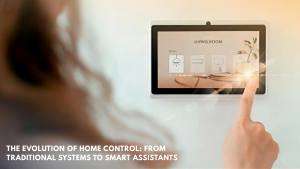
The Evolution of Home Control: From Traditional Systems to Smart Assistants
The way we interact with our homes is evolving faster than ever before. What once depended on switches, remotes, and manual settings is now being replaced by intelligent systems that respond instantly to our needs. As modern lifestyles become more connected and fast-paced, homeowners are rethinking whether traditional control methods can still deliver the comfort and efficiency they expect. This shift has led to the rise of AI-powered solutions that bring intelligence directly into everyday living spaces. A smart assistant for home use goes far beyond simple automation. It learns daily routines, understands personal preferences, and creates a more intuitive living experience by managing lighting, temperature, and connected devices effortlessly. Instead of adjusting multiple controls throughout the day, users can rely on a single system that adapts naturally to their lifestyle. Choosing the best smart home assistant today is no longer just about voice commands, it is about creating a home that works proactively, reduces energy waste, and enhances comfort without constant intervention. As AI continues to advance, the gap between traditional control systems and AI driven homes becomes increasingly clear. Understanding this difference is the first step toward embracing a smarter, more connected future where technology seamlessly supports the way we live. Understanding Traditional Home Control Systems Traditional home control systems operate mostly through manual means. Users illuminate the rooms when it is necessary, and turn the lights off when they finish. Furthermore, temperatures are adjusted through thermostats, and appliances are made to run without anyone's intervention. These systems are actually safe and secure, yet their functionality is limited as a result of their lack of flexibility and customization. Every single step requires a user's direct intervention, and machines are barely connected with each other. The drawbacks of these restrictions become quite noticeable as homes become more complicated and energy prices rise. Outdated systems are not able to adapt to user behavior, automatically optimize energy consumption, or provide centralized control. This is the place where modern homeowners decide to seek smart solutions. What Makes a Smart Assistant Truly Intelligent A smart home assistant is designed to do a lot more than just carry out commands. With the help of artificial intelligence, it can comprehend voice commands, spot patterns and get better with time. Rather than controlling devices separately, it links them together into one smart ecosystem. A smart assistant in a home setting can be used to control the lights, climate, entertainment, and other devices connected to the network by simply giving voice commands or setting up automated routines. Gradually, it identifies the preferences, for example, when the lights are most often dimmed or what temperature is most comfortable, and in this way, it changes the settings by itself. Convenience and Personalization: The Smart Home Advantage One of the major benefits of AI  powered homes is convenience. Having a smart home assistant makes everyday tasks really simple. For example, the owner can easily manage different devices, programs may set themselves up automatically according to various times of day, or a single voice command can change the atmosphere to 'movie night' or 'sleep mode' etc. Just as importantly is personalizing. Unlike old methods where everyone was treated the same, AI personal assistants adjust the settings according to the user's habits. Such a high degree of personalization really changes the concept of living space from a mere environment to one that is very natural and responsive. When you select the best smart home assistant you are getting a technology that is so much a part of your lifestyle that you don't even notice it and it doesn't demand your attention constantly for manual tweaks. Energy Efficiency and Cost Savings with AI-Driven Homes Another area where Smart Assistants have a distinct advantage over traditional control options is energy efficiency. With traditional control options, users have to remember to switch off lights, change thermostat settings, or control appliances. AI-powered control options can monitor and manage energy efficiency patterns. A smart home assistant can reduce unnecessary power usage by turning off devices when rooms are unoccupied or adjusting temperature settings based on time of day. These small optimizations add up, helping homeowners reduce energy waste and manage costs more effectively - without sacrificing comfort. Smart Assistants vs Traditional Control: A Clear Comparison Smart assistants vs. traditional control systems is a night and day difference. Traditional systems are reactive, meaning they only respond when a user takes action. Smart assistants, however, are proactive. They foresee requirements, automate routines, and offer centralized control. Traditional control offers simplicity, but it lacks scalability. As more devices are added to a home, managing them manually becomes increasingly inefficient. A smart assistant for home use scales effortlessly, integrating new devices into a single platform and maintaining a consistent user experience. Security, Privacy, and Trust in AI-Powered Homes It is a fact that as more devices get connected, it is only natural that there will be a greater demand for security and privacy protection. Modern smart assistants are highly focused on security issues such as encrypting communication, verifying users with strong security features, and giving users control over their permissions. Ethical companies prioritize data protection and transparency at the highest level, thus they communicate to users that their data is handled with trust. Homeowners looking to buy a smart home assistant should opt for the ones that offer a good balance between being intelligent and trustworthy. A properly designed smart home assistant can even raise the security level around the house thus enabling the user to have both the convenience and the safety of their home. Why AI-Driven Homes Are the Future The transition from traditional control to AI-driven smart homes is not just a trend, it is a natural evolution. Homes are becoming more responsive, efficient, and personalized as technology advances. Smart assistants are at the center of this transformation, acting as the bridge between human behavior and intelligent systems. A smart home assistant does more than simplify tasks; it changes how people experience their living spaces. By reducing manual effort, improving energy efficiency, and adapting to daily routines, AI-driven homes represent the future of comfortable, connected living. Where Traditional Control Ends and Smart Living Begins Traditional control systems served their purpose in the past, but they can no longer keep up with the demands of modern life. Smart assistants offer a smarter, more intuitive alternative, one that learns, adapts, and evolves with the user. Choosing the best smart home assistant is not just about upgrading technology; it’s about embracing a future where homes work intelligently in the background, making everyday living simpler, safer, and more efficient. FAQ 1) Is a smart home assistant really better than traditional home controls? For the majority of contemporary dwellings, that would be the case. The introduction of a smart home assistant can elevate the living experience by providing the means to control devices without the need for hands, automating tasks, and allowing for batch management of various devices via a single interface. Whereas conventional methods of control depend on direct manual intervention, smart assistants learn from and adjust to users' daily habits, consequently leveling up convenience and the 'intelligence' of the living space with every passing day. 2) Will a smart assistant for home use be complicated to use, operate and set up? This is a common concern, but most smart assistants are designed to be simple and user-friendly. Setup is usually guided step by step, and daily use often involves voice commands or a mobile app. Once configured, the system becomes easier to use as it learns household habits. 3) Is investing in a smart assistant worth it in the long run? A majority of users feel that the advantages enjoyed over a long period justify the expenditure. By having a smart assistant for home , one is comfortable every day, the time that goes into the running of the house is cut by the assistant doing the conventional tasks, and he also helps by intelligent control to the reduction of energy consumption which results in less energy cost. In fact, these benefits become more significant than the first one, time purchase, particularly for those homes that prioritize convenience, efficiency, and a more personalized living experience. 4) Can a smart assistant actually help reduce energy consumption? Yes, One of the biggest advantages of the best smart home assistant is its ability to optimize energy use intelligently. By automatically adjusting lighting, temperature, and device activity based on real-time needs and usage patterns, it helps reduce unnecessary power consumption and supports a more energy-efficient lifestyle without compromising comfort. 5) Is a smart assistant really better than traditional home controls? Absolutely to most modern households a smart home assistant provides users the option to control various devices through voice commands or automation, rather than manually using switches. Unlike traditional systems, it learns daily habits, hence the house becomes more adaptive, cozy, and energy saving with the passing of time.
January 9, 2026
When Homes Think for You: How Smart Homes Are Redefining The Way Of Life  
The concept of home has evolved far beyond four walls and a roof. Today’s homes are expected to offer comfort, security, efficiency, and control, all working seamlessly in the background. This is where smart home automation is changing the way people live, interact, and feel within their spaces. Instead of adjusting systems manually, homeowners can now experience environments that respond intelligently to their needs and routines.Across the rapidly growing smart home UAE landscape, intelligent living solutions are becoming an essential part of modern lifestyles. From villas and apartments to offices and commercial spaces, people are embracing smarter ways to manage lighting, climate, security, and entertainment. In a fast-paced city like smart home Dubai, where innovation and convenience go hand in hand, smart homes are no longer seen as optional upgrades, they are becoming a standard of modern living. What really makes smart homes effective is not the technology that comes with it, but the change of lifestyle it brings. Houses are getting safer, more energy, efficient, and much more convenient to manage. This blog explains the meaning of smart homes, their functionality, the future of smart living, and the reasons why the benefits of smart homes are greater than the problems especially when they are done in a thoughtful and professional way. Smart Homes Redefined: Where Technology Meets Everyday Comfort Smart home automation is not about filling a space with devices; it is about designing an environment that understands and supports daily life. Smart homes combine connected systems that work together to improve comfort, efficiency, and peace of mind. Lighting adjusts based on time or presence, climate systems maintain ideal temperatures automatically, and security features stay alert even when no one is home. Rather than controlling each function separately, smart homes bring everything under one intelligent system. This allows a living experience that is not only seamless and hassle free but also tailored to one's preferences. Homeowners benefit from having less to worry about while gaining more control over their homes. Families enjoy the advantage of having safer and more responsive living spaces. The evolution of smart homes marks the transition from a manual lifestyle to one that is intuitive. How Smart Homes Work: Simple Systems with Powerful Impact At their core, smart homes operate through connected devices that communicate using secure internet networks. These devices are managed through a central platform, usually a mobile application or voice assistant, allowing users to monitor and control their home from anywhere. Sensors detect motion, temperature, or activity and trigger automated responses based on predefined settings. In advanced environments such as smart home automation Dubai, these systems are designed to work quietly in the background. Over time, they adapt to user behavior, reducing the need for constant input. The goal is not complexity, but simplicity - technology that works so smoothly it becomes almost invisible. The Future of Smart Living: Homes That Anticipate, Not React The future of smart homes is centered around intelligence, sustainability, and personalization. With the infusion of artificial intelligence, smart homes are going to be more like they will predict need than command. Homes will also be able to alter their energy consumption on the go, ensure their safety by being aware of the situation in real time, and be able to connect with the smart city infrastructure without any hassles. Its Pros and Cons Explained Simply Smart homes deliver notable benefits that have a direct impact on the standard of living. By automating mundane tasks, they provide unrivaled convenience, improve safety with 24/7 surveillance, and lower electricity consumption with smart management. As a result of these advantages, which accumulate over time, the user experiences increased comfort, a financial gain, and a feeling of security. Some issues are worth thinking about before deciding. Smart homes often require some money upfront and are dependent on a good internet connection. Also, new users may need a short adaptation period to get acquainted with the system. Nevertheless, these are factors that can be controlled and, in particular, balanced against the great long, term benefits of smart homes. Why Smart Homes Matter for Modern Businesses and Homeowners Smart homes are more than just lifestyle enhancements; they signify an expanding market that is mainly influenced by the desire for efficiency, safety, and innovation. Consumers are continually seeking solutions that make life easier without complicating it. Geesmart, one of such companies, is therefore at the right place to a great extent by providing smart solutions that are not only well designed, secure, and scalable but also meet the needs of customers in a genuine way. Additionally, smart homes  can be considered as a means to gain trust, enhance comfort, and increase value when they are implemented properly they do not only automate spaces. The Smart Home Is No Longer the Future - It’s the Present Smart homes are changing the way people live by converting normal areas into intelligent settings that adjust, guard, and work without any effort. They signify a clever living style, the one which saves time, increases comfort, and is compatible with modern lifestyles. As technology continues to advance, one thing is certain: homes that think for you are not just convenient, they are essential for the future of living.
January 7, 2026