 >
>
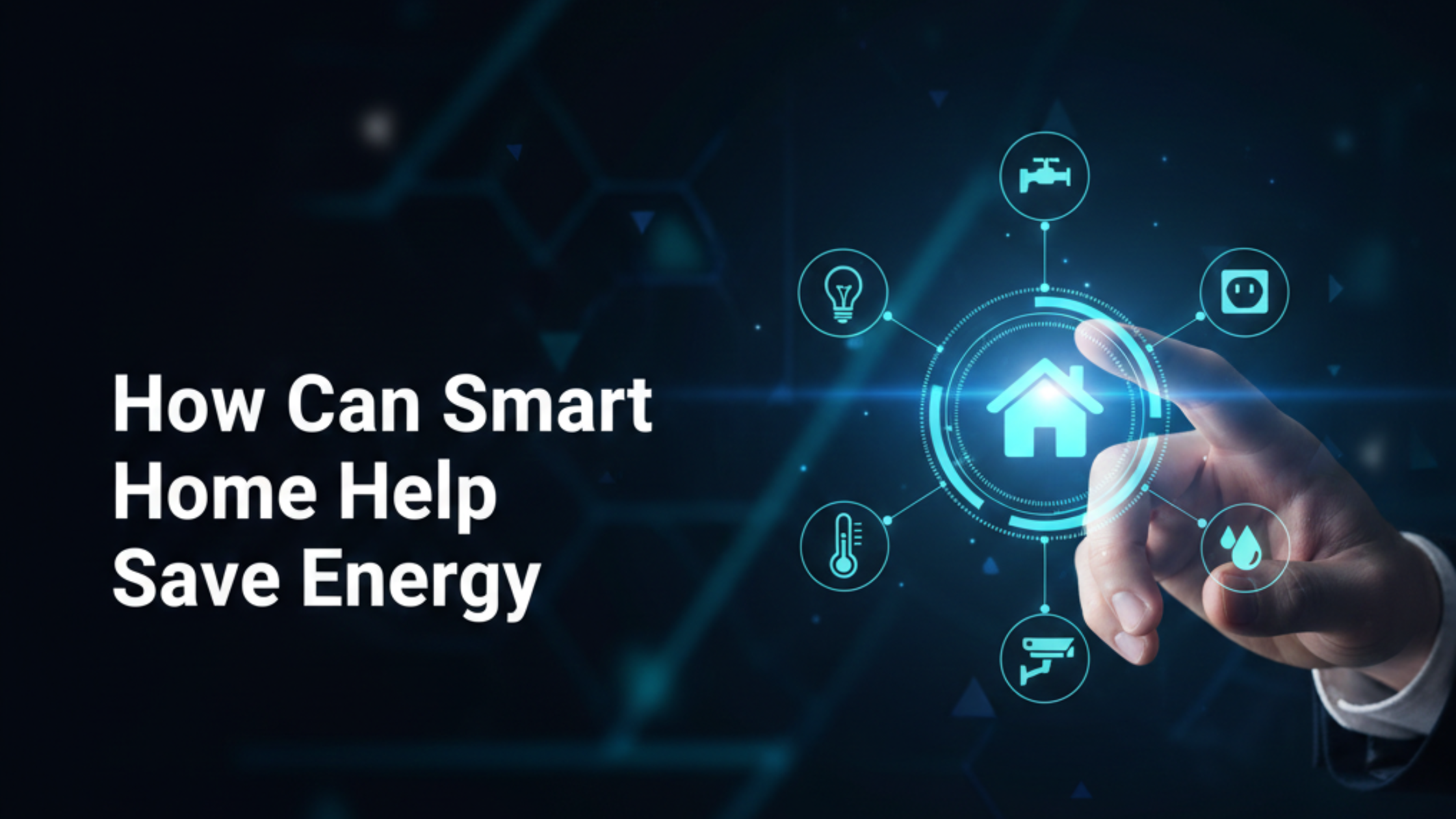
How Can Smart Home Help Save Energy
Energy saving has become a top priority of homeowners across the globe by increasingly exploring methods to make their homes more energy efficient in response to higher electricity tariffs. Besides getting utility bills that are too high to manage, people are becoming more environmentally conscious while continuing to maintain comfort at home. A good example of how smart technologies can make life easier for us and simultaneously help protect the planet is smart AC control. By incorporating smart AC control, a household can stay comfortable all day long without wasting energy and In fact, small measures such as programming lights or adjusting cooling schedules can significantly help lower energy consumption and hence utility bills in the long run.
Smart home technology is revolutionizing energy management by introducing compatibility, control, and quantifiable savings through different types of automation such as occupancy based lighting and smart climate control, and hence homeowners are able to reduce their energy consumption to the minimum without even realizing it. In Dubai and generally across the UAE, the summers are long and blistering and dwellers are not only subscribing to convenience and comfort but also making a smart choice in view of energy efficiency and sustainability and, thus deciding to go for smart energy solutions.
Smart Lighting & Switches: Energy Efficiency at Your Fingertips
Lighting is one of the biggest contributors to the total energy consumption in homes even though it is normally forgotten. Some homes waste an enormous amount of electricity when they keep the lights on in empty rooms or they use high power-consuming bulbs. Smart lighting and switches are a great help in solving this problem and, in addition, they ensure more convenience and efficiency.
Automated Control
Motion sensors and pre-set schedules allow lights to turn on only when rooms are occupied. Hallways, bathrooms, or storage spaces illuminate as needed and switch off automatically when unoccupied, reducing wasted energy. For families, this can also mean fewer forgotten lights and less stress over energy bills.
Dimming and Scheduling
Smart lighting systems often include dimming features, which reduce brightness when full illumination isn’t necessary. Scheduling lights according to your daily routine ensures energy is consumed only when required. For example, living room lights can dim gradually in the evening, creating a comfortable ambiance while saving electricity.
Remote Management and Integration
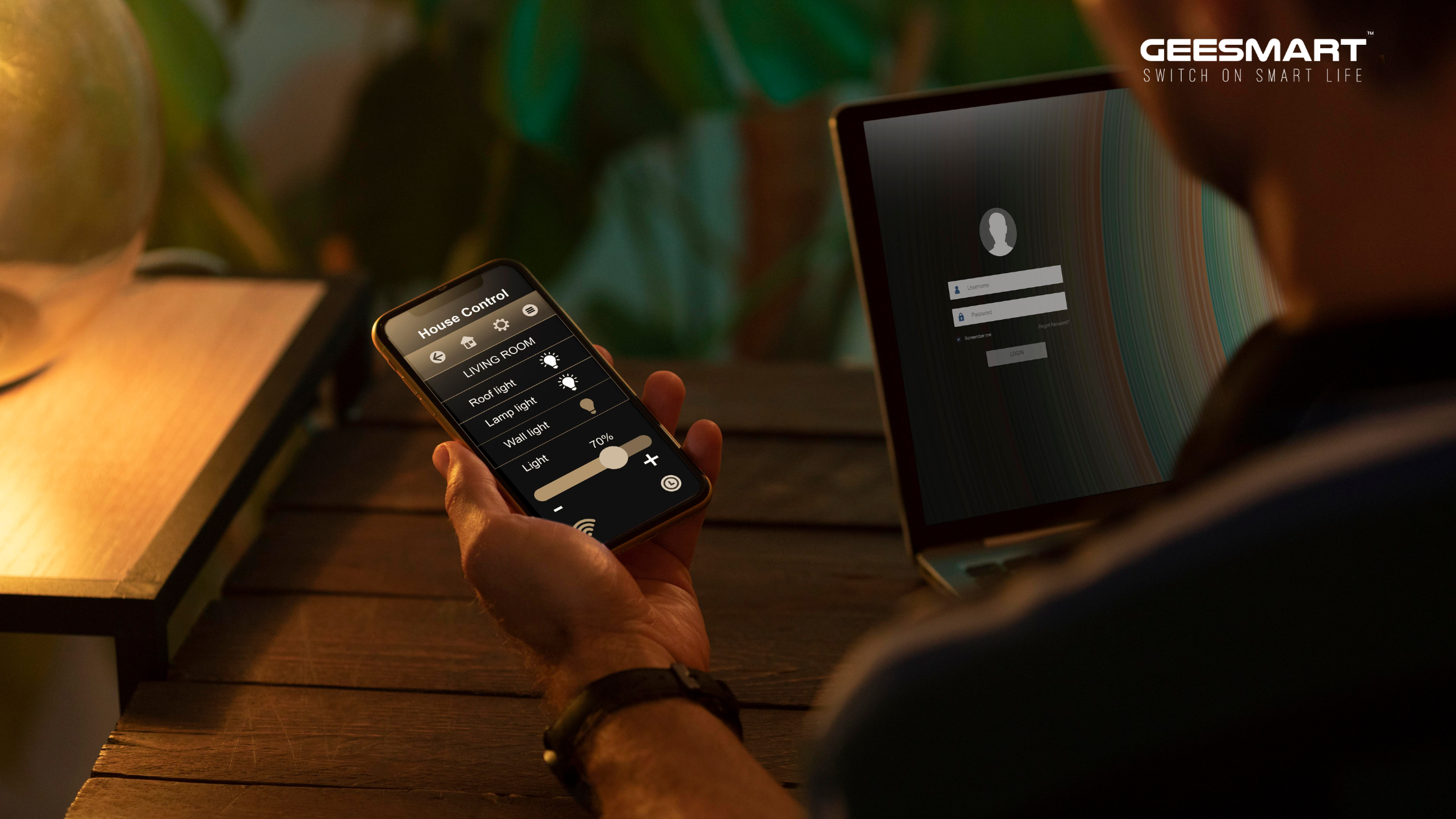
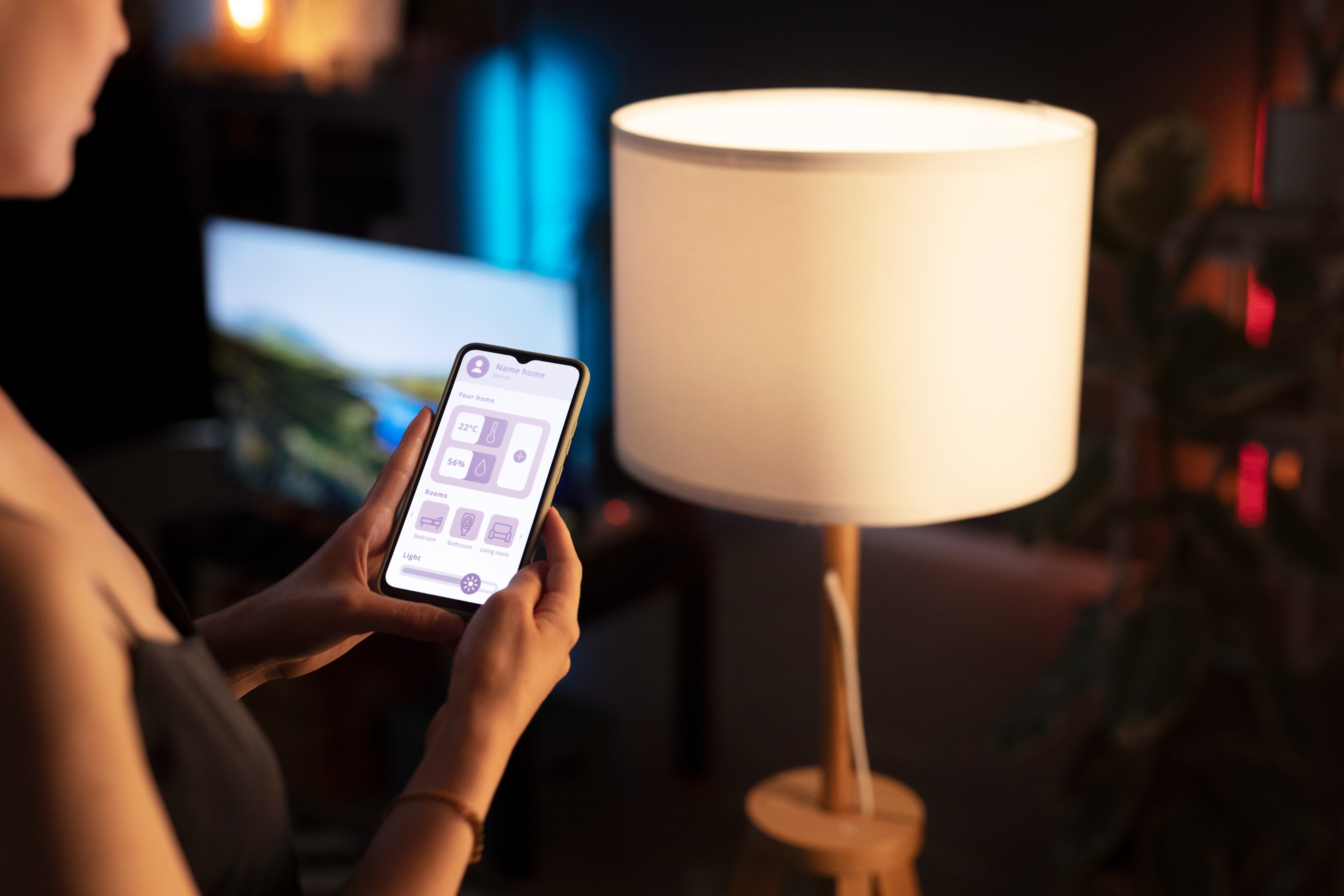
Smart lighting can be controlled remotely via smartphone apps, allowing homeowners to turn off lights accidentally left on or adjust brightness while away. These systems can also integrate with other devices like motion sensors or smart thermostats, so lighting adjusts automatically depending on occupancy or time of day, maximizing energy efficiency.
Smart AC Control: Comfort Meets Energy Savings
An old AC unit that may be running 24/7, even in unoccupied rooms, ends up wasting energy and thus air conditioning accounting for the largest portion of electricity bills.Smart AC control systems invent a resourceful method to cut off the power during the absence of people, but without compromising comfort.
Precision Temperature Management
Smart AC systems automatically adjust cooling or heating based on occupancy, time of day, and ambient temperature. This ensures that rooms remain comfortable when needed, but energy isn’t wasted in unused spaces. For instance, the system can cool the living area during the evening while keeping unused bedrooms slightly warmer.
Energy Insights and Monitoring
Many smart AC units provide detailed insights into energy consumption. Homeowners can analyze patterns, identify waste, and make informed adjustments—such as lowering AC output during peak electricity hours. Over time, this data-driven approach can significantly reduce electricity bills while maintaining comfort.
Smart Integration
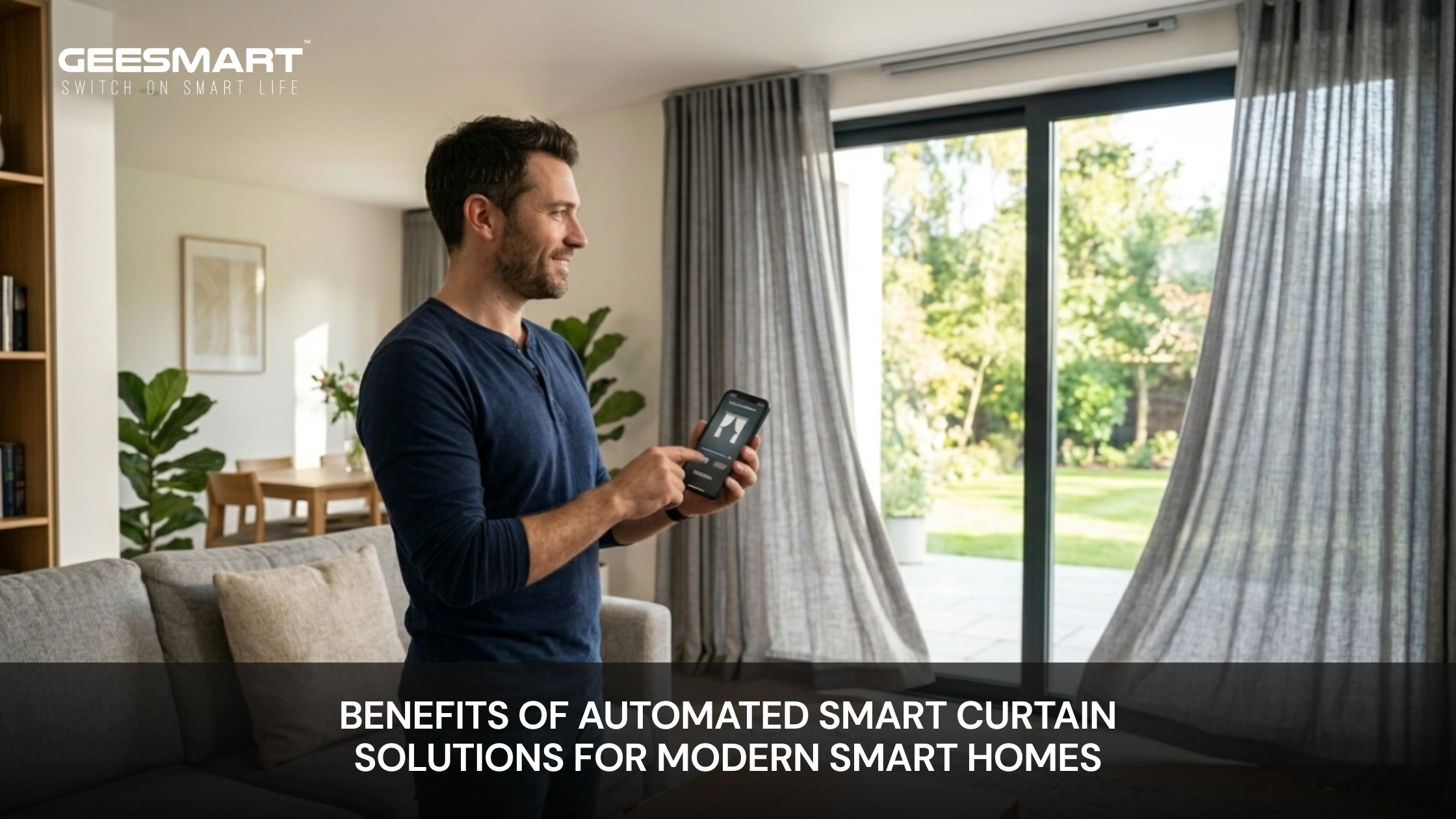
Smart AC units often integrate with thermostats, lighting, and even window blinds. For example, when blinds close automatically during the hottest part of the day, the AC works less, saving energy while maintaining the desired indoor temperature.
Smart Thermostats: Intelligent Climate Control
A smart thermostat really should be a must buy on your shopping list if you are planning to make your home a green energy abode in the near future and the significance is that by learning your regular household schedule, they adjust temperatures on their own and help you save energy by giving you some useful reports. Installing a smart thermostat Dubai will allow you to have an air conditioning system that is able to create a daily temperature calendar and change the schedule accordingly to deliver the perfect temperature with less energy wasted. Likewise, in other parts of the UAE, a smart thermostat is a great helper to the whole family to be energy conscious even when the outside temperature is very hot during summer.
Scheduling and Automation
With a smart thermostat, a homeowner can schedule several temperature variations throughout the day according to their routine. When most rooms are not in use, the temperature can be turned down to save energy, and raised at the time when the family is expected to come home so that it becomes comfortable for the members.
Remote Control
By means of apps, homeowners can make changes to the thermostat settings from anywhere in the world. The owners might have left the house vacant when they have gone on holiday or to work, nevertheless, they will always be able to check if their house is at a comfortable temperature, and at the same time, they can make sure that there is no energy wastage.
Integration with Other Smart Devices
A smart thermostat can be a star performer when it is one of the many smart devices in the house, all of which are working towards energy efficiency. This way, paired with smart lighting, automated blinds, and motion sensors, it can use energy wisely. For example, by closing blinds during peak sunny hours, one gets less heat inside so that the air conditioner would have to run less at times thus saving energy in a natural way.
Additional Benefits of Smart Home Energy Management
Implementing smart devices goes beyond simple energy savings. Some key advantages include:
- Lower electricity bills – Automated control ensures energy is used only when necessary.
- Environmental benefits – Efficient energy management reduces carbon emissions and supports a sustainable lifestyle.
- Enhanced comfort – Homes maintain ideal temperature and lighting automatically, improving overall quality of living.
- Remote access and monitoring – Control devices from anywhere and receive reports on energy usage.
- Long-term value – Energy-efficient systems extend device lifespan and reduce long-term costs.
Moreover, smart homes can increase the value of a property. Energy-efficient homes appeal to buyers and tenants who prioritize sustainability and modern conveniences.
Choosing the Right Devices in the UAE
Selecting the right smart home devices involves considering several factors:
- Compatibility – Ensure devices work with your home network and integrate seamlessly with other smart systems.
- Ease of use – Look for intuitive apps and interfaces that simplify daily management.
- Energy monitoring capabilities – Devices that provide consumption reports help identify opportunities for efficiency improvements.
- Local support – Brands available in Dubai and the UAE offer smooth installation and timely maintenance.
Many homeowners in the UAE use smart thermostats suited for local conditions alongside smart lighting solutions. When combined, these devices help create homes that are energy-efficient, comfortable, and sustainable year-round.
Practical Tips for Maximum Energy Savings
- Automate devices – Use schedules and motion sensors to optimize lighting and climate control.
- Monitor usage – Check reports from your smart thermostat or AC system to adjust settings efficiently.
- Integrate systems – Coordinating lighting, blinds, and climate control improves overall efficiency.
- Upgrade gradually – Start with key devices, like a smart thermostat or essential smart lights, and expand over time.
- Refine routines – Adjust daily habits based on insights from your devices for even greater savings.
Conclusion
Smart home technology has transformed our home’s energy management completely by making energy utilization more simple, efficient, and comfortable. When smart lighting & switches are employed, a homeowner can become more energy conscious that they make sure lights are operating only when it’s needed, regulate the light intensity automatically, switch off the lights in the rooms that are not being used, and even dim the lights for different times of day or activities. Hence, besides less energy being wasted, a more comfortable and personalized living atmosphere is set up.
Meanwhile, smart AC systems and smart home thermostats are more rational in optimizing climate control. Such appliances are learning about the household schedule, automatically changing the temperature settings, and can be controlled from anywhere, thus, your home will be at a comfortable temperature setting all the time and there will be no wastage of energy. Also, they are capable of working with other smart devices, like automated blinds or occupancy sensors, to elevate the efficiency even more and lower the electricity costs.
Cumulatively, these smart home products are essential for creating an energy conscious and integrated ecosystem in your home by efficiently incorporating lighting, cooling, and heating components so as to be less inefficient, more comfortable, and give homeowners total energy control. In Dubai and the rest of the UAE, energy management and climate control are significant factors in energy conservation, and if you are someone who is aware of proper energy usage, you will find it very beneficial applying these solutions as a way to save on your electricity bills and thus remain environmentally responsible.